Plastic Raiders
Removing polluting plastics from the coastal marine environment
In Brief
- Challenge: Plastics Challenge
- Challenge Type: SFI Future Innovator Prize
- Status: Complete
The Challenge
Within the marine context, millions of tonnes of plastic enter our oceans annually as micro- to macroplastic litter. The economic cost to marine natural capital is estimated to range from $3300–$33,000 per ton of plastic per year. Larger plastics entering ocean waters have two fates - floating on the surface or sinking due to biofouling and/or ballasting. If not removed by clean-up operations, macroplastics (>5 mm) may harm many types of marine life through entanglement or ingestion. They also fragment and degrade into microplastics that can be ingested and incorporated in bodies and tissues of many organisms. Being able to detect larger floating plastics in coastal waters before they become entangled, ingested, exported and/or fragmented, may help to answer key questions about sources, pathways and trends. Furthermore, actions that highlight and reduce marine plastic pollution in the context of an increasingly stressed marine environment can be counted as investments toward the health and future resilience of our global marine ecosystem services.
The Solution
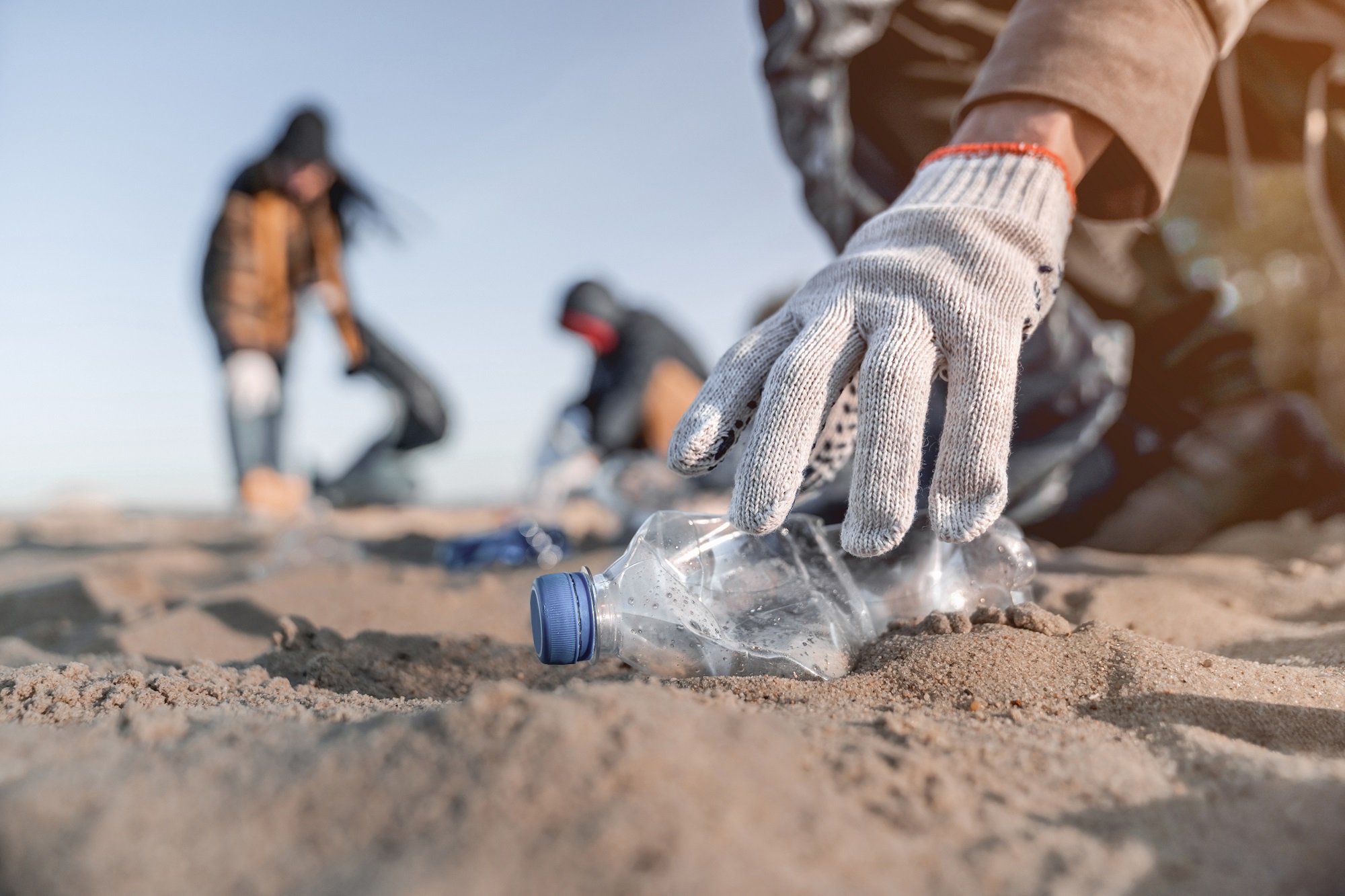
The project will combine remote sensing technologies and bottom-up citizen science to create sustainable, intergenerational change in polluting and environmental activism behaviours. Citizens will be engaged by the Social Champion in the civil society organisation Irish Surfing Association and by the Impact Champion in Clean Coasts, who will leverage existing connections with local communities in Ireland. The project will enable citizens to act on climate change and for sustainable development through better monitoring and observation of the environment and their environmental impacts, and acting upon them by removing plastics from coastal environments. The key societal impacts of the citizen science activities will be to raise awareness, engage and empower citizens and consumers with concrete tools to monitor their impacts on the environment.
UN SDG Alignment
Goal 11: Make cities inclusive, safe, resilient and sustainable
The Team
- Team Lead: Prof. Francesco Pilla, University College Dublin
- Team Co-Lead: Dr Jennifer Symonds, University College Dublin
Societal Impact Champion
- Timothy Ferguson, Irish Surfing Association